



Why Invest in Wine
How a fine-wine position behaves: what drives price, which regions hold value, and how long a bottle usually needs.
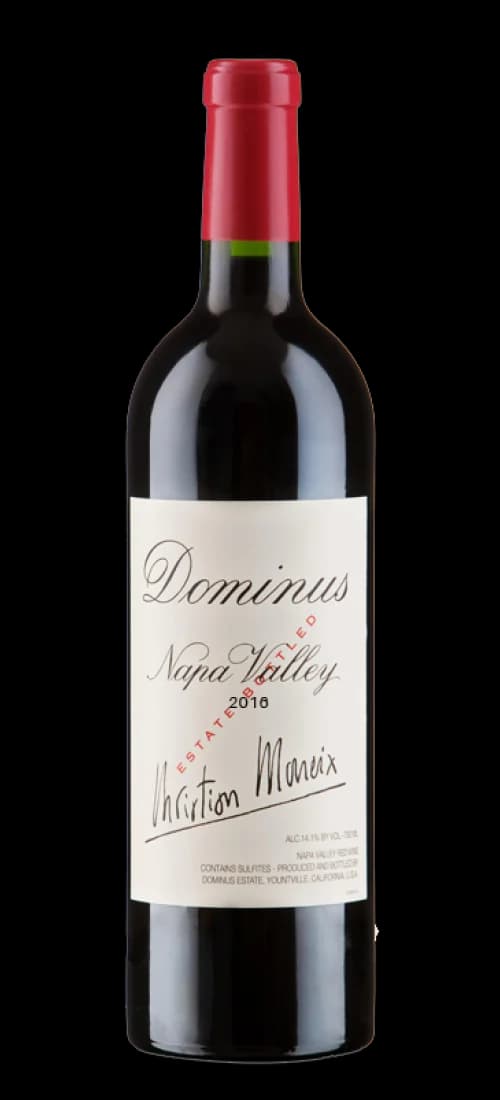
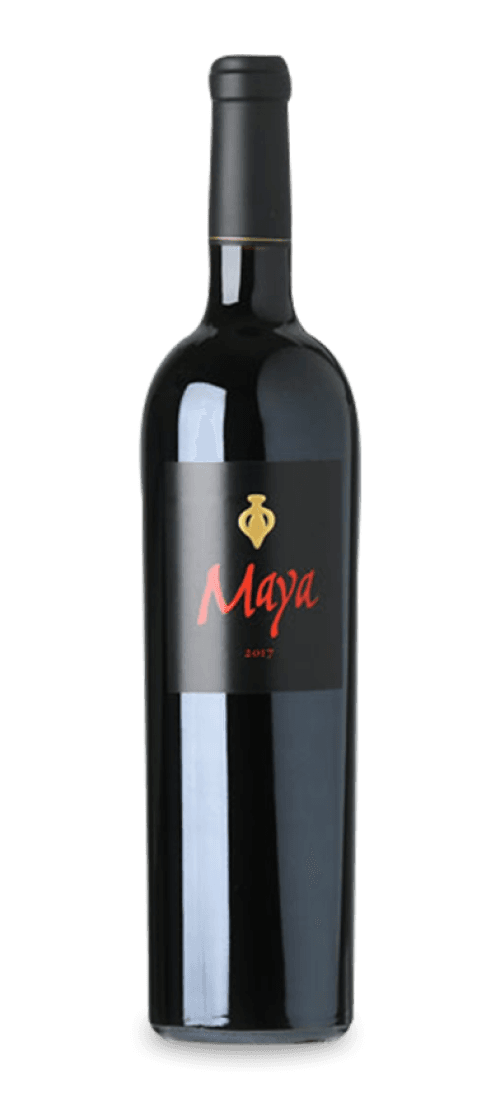
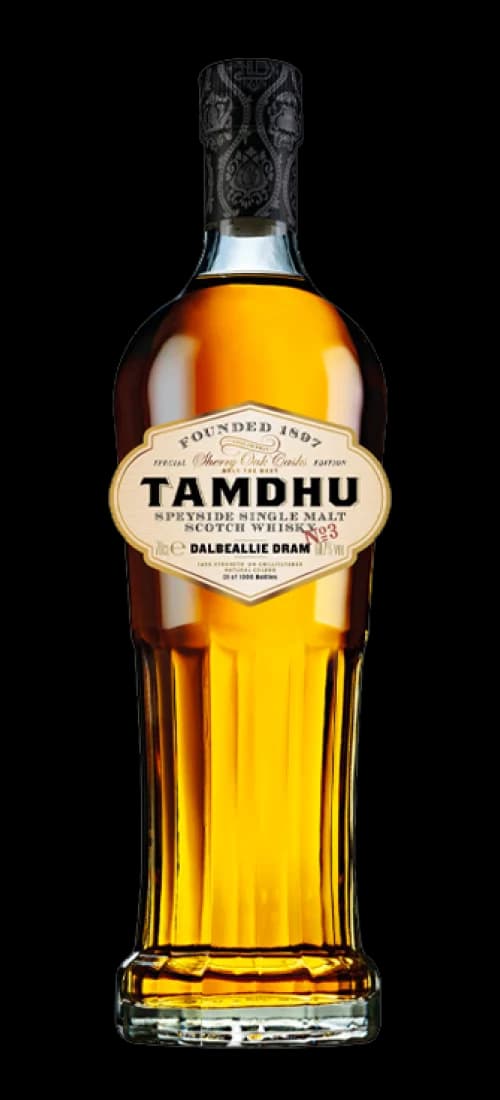
Advisors handle sourcing, storage, insurance, and the exit. You keep the bottles and the upside.
Welcome back, Jonathan
$12,939
+15.8% ($1,765) since purchase
Holdings
15 lots · 18 units
Cash to invest
$2,450
Top performer
Eisele Vineyard, Altagracia, Napa Valley +104.7%
Ultra Rare Japanese Whiskey
The distillery closed in 2000 and its bottles now trade in five figures. A new distillery is laying down sherry casks again, from $4,283 a case.
See how these listings have performed over the last twelve months
 +61.1%Past year
Champagne, France
 +45.2%Past year
Brunello di Montalcino, Italy
 +49.3%Past year
Barbaresco, Italy
 +8.9%Past year
Japan
Past performance does not guarantee future results. Investment returns may vary.
Build your knowledge with our guides to wine and whiskey investing.
How a fine-wine position behaves: what drives price, which regions hold value, and how long a bottle usually needs.
Casks mature on a schedule, not a market cycle. What that means for entry price, holding period, and the eventual exit.
Allocations and cellar releases that never reach a retail shelf.
Authentication, bonded storage, insurance, and the sale — all handled.
A hard asset with its own cycle, priced away from equities.
Investors on what changed once somebody else ran the cellar.
"I wanted a hard asset I could actually point at. Six months in, the whole thing runs without me: the sourcing, the storage, and a valuation I can check on a Sunday morning."
Marcus D.
What our analysts are watching in the wine and whiskey markets.
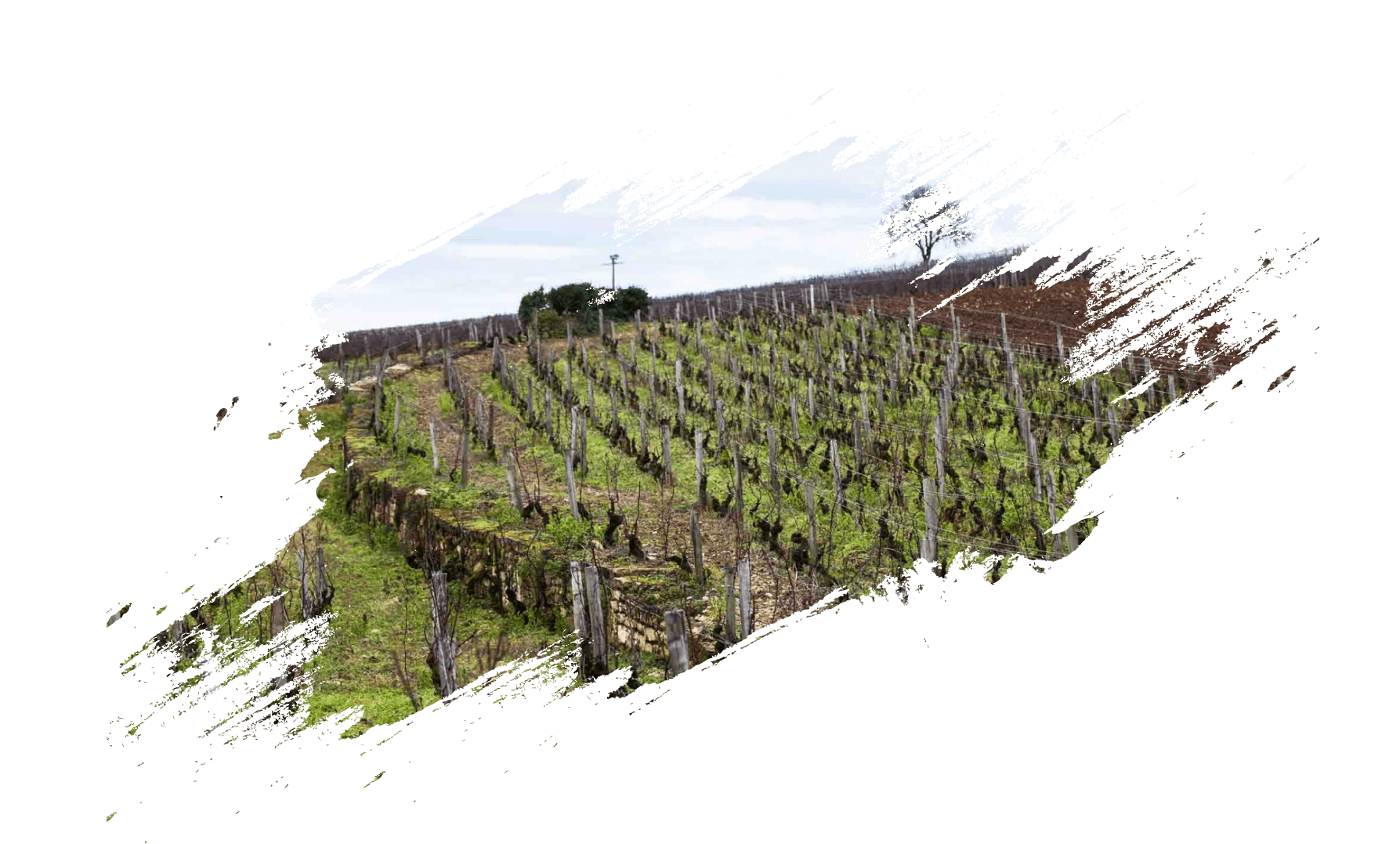
Premier cru pricing has split by village. A look at which parcels carried the region this year and which ones gave back their 2024 gains.
Learn more →
Release prices came in below last year across the left bank. What a softer campaign means for anyone already holding the vintage.
Learn more →Independent bottlers are competing for mature stock, and that competition is finally visible in what a hogshead trades for.
Learn more →
Prestige cuvées ran hard for three years. Where the remaining value sits now that the obvious names are fully priced.
Learn more →Our read on the wine and whiskey markets, published every quarter.
2026
2025
2024
Get answers to the questions new investors ask us most.
You fund an account, an advisor builds a position across regions and vintages, and every bottle or cask is bought in your name. We store it in bond, insure it, and sell it when you say so.
A Starter account opens at $2,000. Advisors build wider positions as the account grows into the higher tiers.
Bonded, climate-controlled warehouses in the UK, the US, France, and Belgium. Whiskey casks are stored in bond too: Scotch in Scotland, American whiskey in Wyoming.
Any time. List into the marketplace at your own ask, or ask us to place the lot with a trade buyer.
A managed portfolio pays one annual fee covering storage, insurance, authentication, and active management. There is no commission when we sell a wine inside its ideal selling window; listing it early yourself is 1.5% on completion. Marketplace trading is priced per trade instead.
The portfolio page values every lot against the marketplace daily, and shows the cost basis beside it so the gain is never a mystery. Monthly and yearly statements land in Activity.
Wine and whiskey are collectibles, not securities, and a sale can be a taxable event where you live. We hand you the records; your accountant handles the filing.
Yes. Request delivery and we ship out of bond to you, by the case, with the cost quoted before anything moves. Whiskey is bottled first, for an extra fee.